Cookie Consent Options
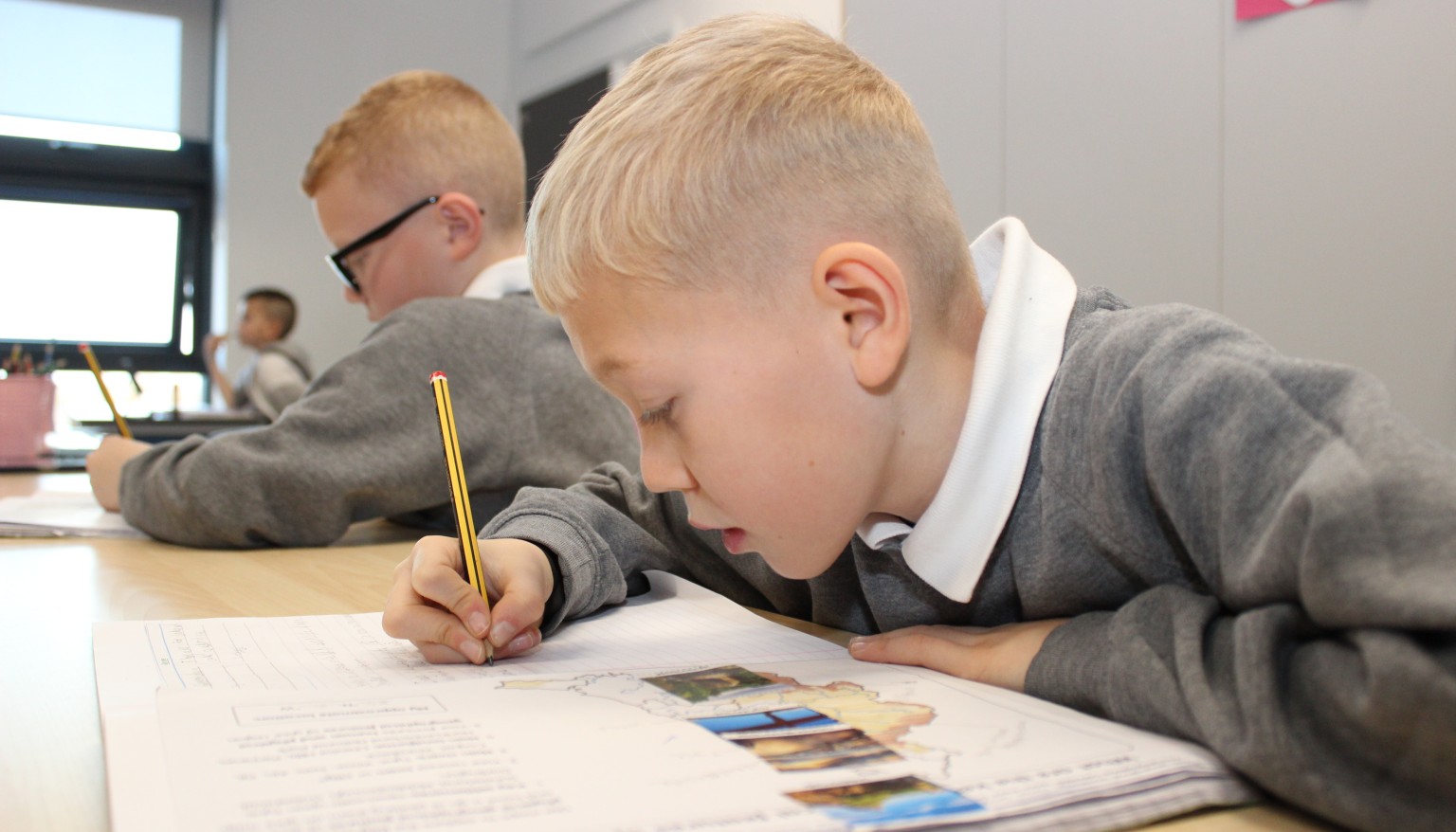
  • Children writing
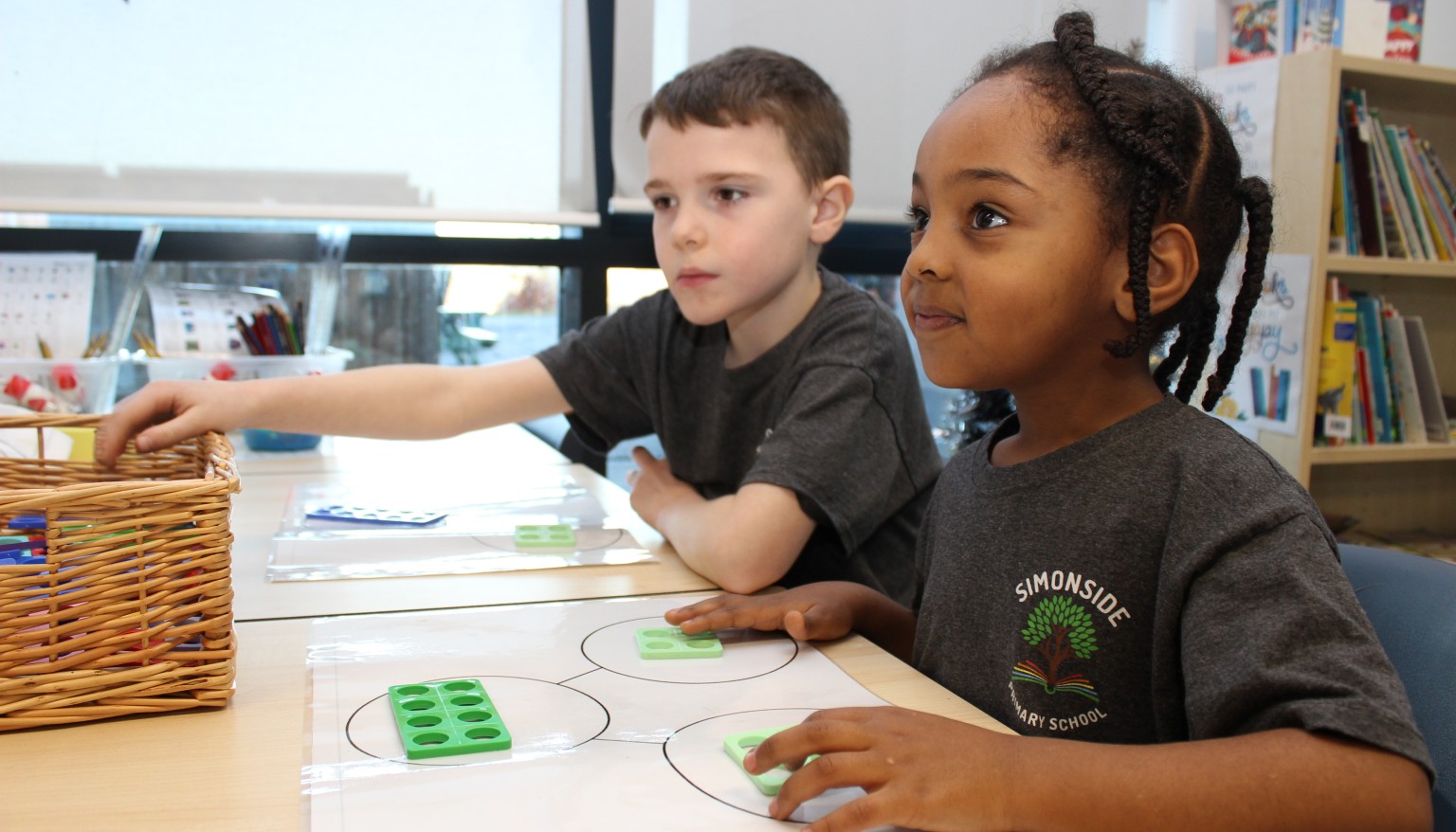
  • Two children sat at a school desk
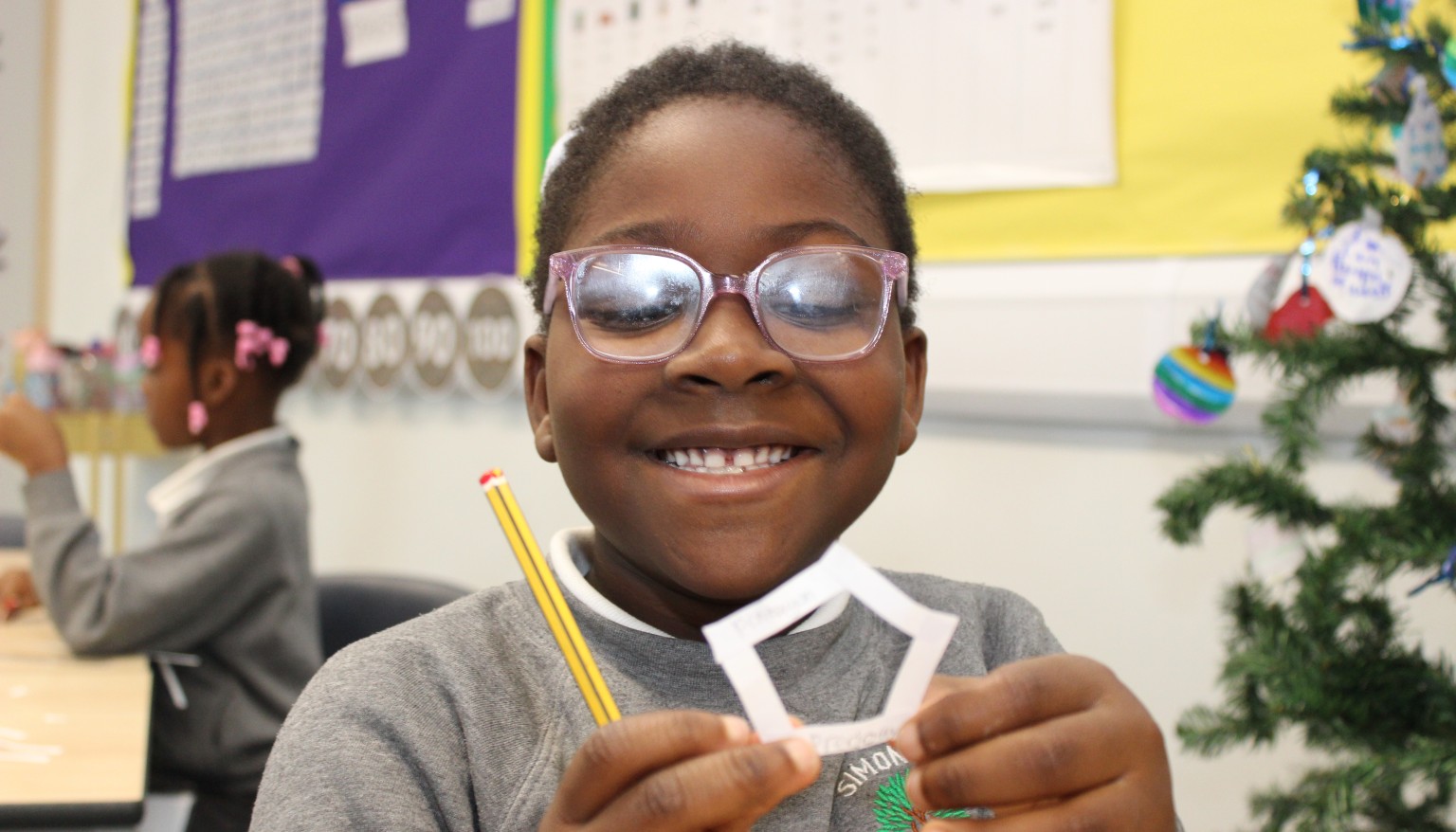
  • Child smiling at the camera holding up a pentagon shape
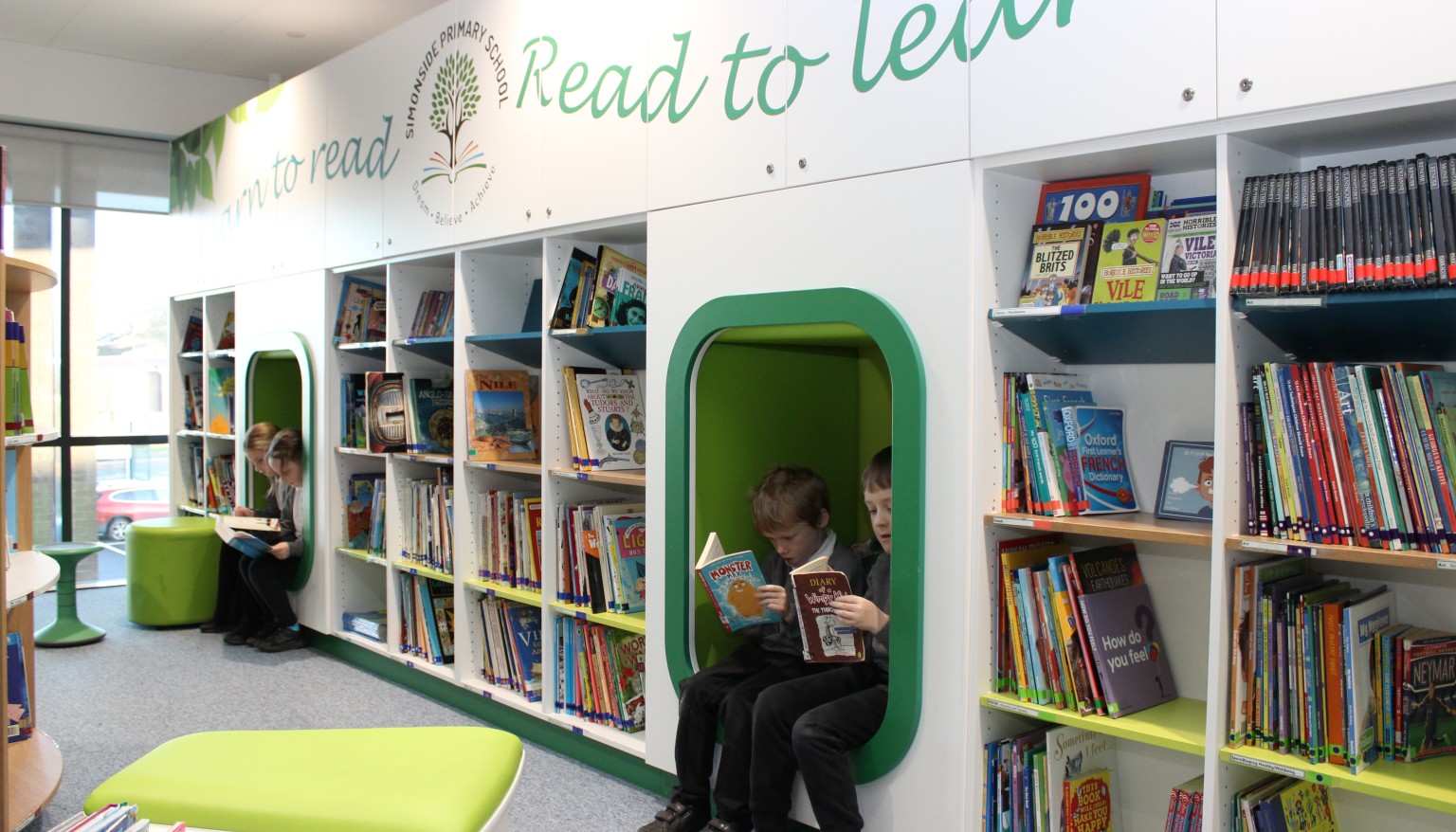
  • School library
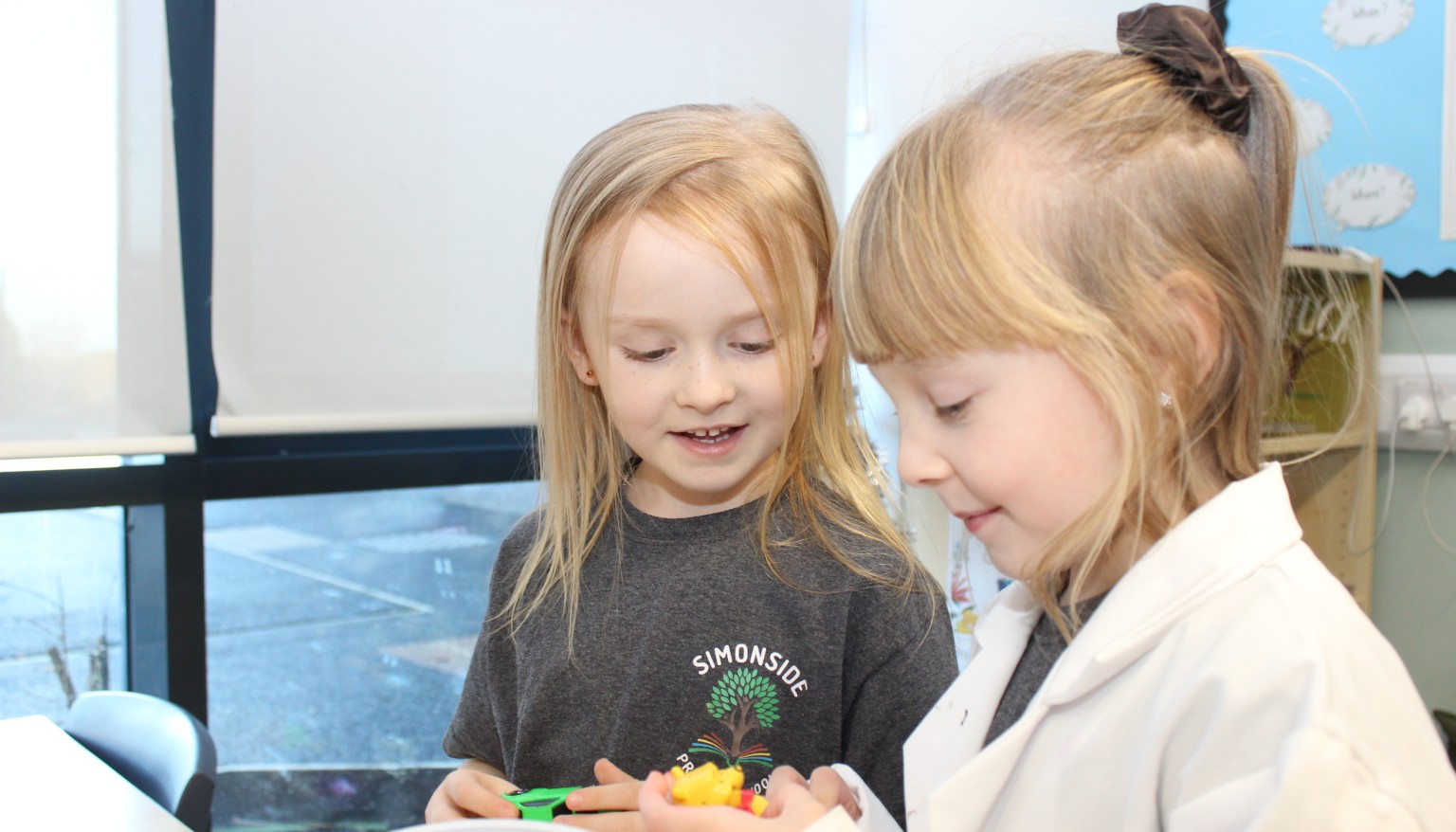
  • Two children
Simonside Primary School Logo
  • Our School
    Welcome
    OPAL
    Rights Respecting
    Rights Respecting School Award (RRSA)
    Ethos and Values
    Governors
    Local Governing Body
    Meeting Dates
    Governors attendance
    Services to Schools
    Governance
    Meet the staff
    Job Vacancies
    Support Assistant Level 2 (supporting SEND)
    Support Assistant
    School of Sanctuary
    A safe place for all
    Our School
    Welcome
    OPAL
    Rights Respecting
    Rights Respecting School Award (RRSA)
    Ethos and Values
    Governors
    Local Governing Body
    Meeting Dates
    Governors attendance
    Services to Schools
    Governance
    Meet the staff
    Job Vacancies
    Support Assistant Level 2 (supporting SEND)
    Support Assistant
    School of Sanctuary
    A safe place for all
  • Statutory Info
    Music development plan
    Ofsted
    Policies
    Policies
    Performance Data
    Pupil Premium
    Special Educational Needs
    SEND Information
    SEND Contacts
    Glossary of Terms
    SEND Policy
    Local offer
    Equality Statement
    Sports Premium
    Statutory Info
    Music development plan
    Ofsted
    Policies
    Policies
    Performance Data
    Pupil Premium
    Special Educational Needs
    SEND Information
    SEND Contacts
    Glossary of Terms
    SEND Policy
    Local offer
    Equality Statement
    Sports Premium
  • Curriculum
    Curriculum Overview
    Cultural Capital Curriculum Offer
    Design and Technology
    EYFS
    RE
    PE
    Science
    English
    History
    Music
    Computing
    Geography
    MFL
    Art and Design
    Phonics
    Mathematics
    Reading
    PSHE
    Online Safety
    Curriculum
    Curriculum Overview
    Cultural Capital Curriculum Offer
    Design and Technology
    EYFS
    RE
    PE
    Science
    English
    History
    Music
    Computing
    Geography
    MFL
    Art and Design
    Phonics
    Mathematics
    Reading
    PSHE
    Online Safety
  • News
    September 2025
    September 2025
    Speak Out Stay Safe
    September 18th 2025
    News
    September 2025
    September 2025
    Speak Out Stay Safe
    September 18th 2025
  • Contact
  • Parents
    Breakfast club
    Admissions
    Term dates
    School Day
    Uniform
    Home School Agreement
    School Meals
    Family Support
    Parents
    Breakfast club
    Admissions
    Term dates
    School Day
    Uniform
    Home School Agreement
    School Meals
    Family Support
  • Calendar

This website uses Google Translate

You cannot use this feature without first accepting 3rd Party Cookies.
Allow 3rd Party Cookies

This website uses Google Translate

You cannot use this feature without first accepting 3rd Party Cookies.
Allow 3rd Party Cookies

Phonics

Curriculum

Curriculum Overview
Cultural Capital Curriculum Offer
Design and Technology
EYFS
RE
PE
Science
English
History
Music
Computing
Geography
MFL
Art and Design
Phonics
Mathematics
Reading
PSHE
Online Safety

Phonics and Early Reading

At Simonside Primary School, we want our children to have a love for reading that remains with them all of their life. The teaching of early reading and phonics is key to forming that love of reading.

 Why learning to read is so important

  •          Reading is essential for all subject areas and improves life chances.
  •          Positive attitudes to reading and choosing to read have academic, social and emotional benefits for children.

 How children learn to read

  •          Phonics is the only route to decoding.
  •          Learning to say the phonic sounds.
  •          By blending phonic sounds to read words.
  •          Increasing the child’s fluency in reading sounds, words and books.

 To teach Early Reading we use the Little Wandle Letters and Sounds systematic synthetic phonics programme (SSP). This is a fully comprehensive programme where children start learning single letter sounds in the autumn term of their Reception year and it builds in progression throughout Reception and Year One, preparing children for the statutory phonics screening that takes place at the end of Year 1. Phonics continues to be taught in Year 2 until children become fluent readers.


Phonics is taught every day and children learn to apply their phonics skills in reading practise sessions 2 times a week, developing their fluency and comprehension skills along the way.

 Reading fully decodable books

  •          Children must read books consistent with their phonic knowledge.
  •          It is essential not to use other strategies to work out words (including guessing words, deducing meaning from pictures, grammar, context clues or whole word recognition).  
  •          Books must be fully decodable and follow the Little Wandle scheme
  •          Children need to read books in a progressive sequence until they can decode unfamiliar words confidently.

 The role of Parents’ and Carers’ 

  •          Have a positive impact on their child’s reading.
  •          Should model the importance of reading practice to develop fluency.
  •          Children take home books they have read at school to re-read at home to build fluency.
  •          There are two different types of books that pupils bring home: reading practice and books to share for pleasure.
  •          Reading at home encourages a love of books, along with developing vocabulary and discussion.
  •          Parents should use voices, expression, discuss unfamiliar vocabulary, talk about the pictures, and predict what might happen next.
  •          Give positive yet informative feedback in the home reading diary at least 3 times a week

Supporting your child with reading

Although your child will be taught to read at school, you can have a huge impact on their reading journey by continuing their practice at home.


There are two types of reading book that your child may bring home:

Reading practice book

This book has been carefully matched to your child’s current reading level. If your child is reading it with little help, please don’t worry that it’s too easy – your child needs to develop fluency and confidence in reading.


Listen to them read the book. Remember to give them lots of praise – celebrate their success! If they can’t read a word, read it to them. After they have finished, talk about the book together.


Sharing book

In order to encourage your child to become a lifelong reader, it is important that they learn to read for pleasure. The sharing book is a book they have chosen for you to enjoy together.

Please remember that you shouldn’t expect your child to read this alone. Read it to or with them. Discuss the pictures, enjoy the story, predict what might happen next, use different voices for the characters, explore the facts in a non-fiction book. The main thing is that you have fun!

    programme-overview_reception-and-year-1.pdf
Simonside Primary School
All rights reserved. 2026
  • CEOP
  • Greggs Foundation
  • Healthy School Newcastle
  • Mathletics
  • Ofsted Good Provider
  • Operation Encompass (Supporting children through key adults)
  • Parent View
  • School Games Silver
  • Opal
  • FAIRTRADE
  • Rights Respecting Schools Unicef Level 1
  • Schools North East Partner School
Policies and
Accessibility Statement
eSchools - Making Schools Click
Log in
​